Services:

Home Inspection Repair List: What St. Louis Buyers Should Fix Before Closing
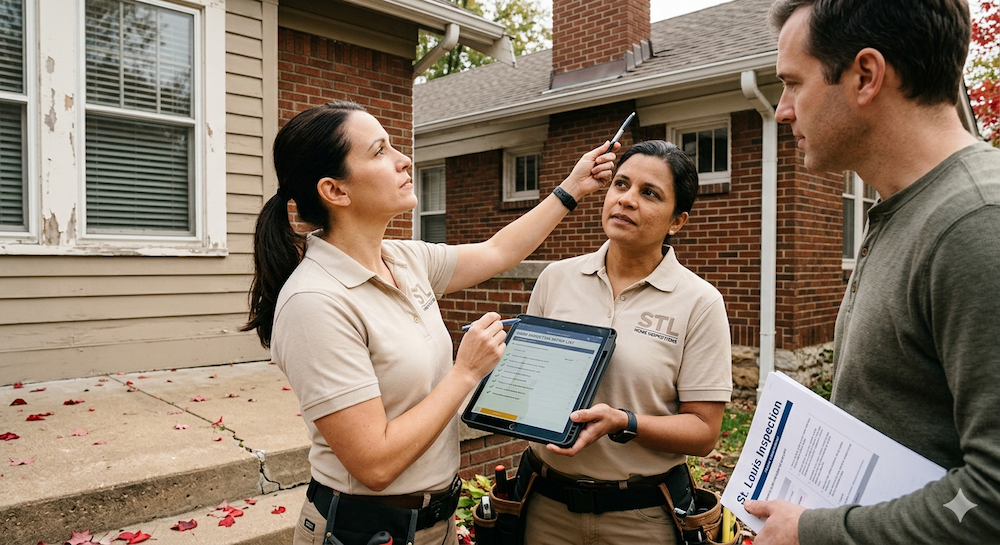
A home inspection report can feel overwhelming, especially for buyers getting ready to close. It often includes a long list of items, ranging from minor fixes to more serious concerns. In St. Louis, factors like seasonal storms, humidity, and older housing stock can make certain inspection issues more common than others. Not everything on that list needs to be addressed right away, but some repairs are important to handle before closing.
Knowing what to focus on helps you avoid unnecessary costs and protects you from bigger problems after you move in. Understanding which issues matter most can make the process more manageable and help you move forward with confidence.
What Is a Home Inspection Repair List?
A home inspection repair list is a summary of issues identified during a professional inspection. These can include structural concerns, safety hazards, and general maintenance items.
Some findings are small and expected in most homes. Others may affect the safety, function, or value of the property. In many St. Louis homes, it’s common to see a mix of older construction and newer updates, which can lead to a wider range of inspection findings. The goal is not to fix everything, but to identify which repairs should be addressed before closing.
What St. Louis Buyers Should Fix Before Closing
1. Electrical Issues
Problems like outdated wiring, exposed wires, or overloaded panels should be taken seriously. These issues can create fire risks and may not meet current safety standards. In older St. Louis homes, outdated electrical systems are a fairly common inspection finding.
Why it matters: Safety and code compliance
Typical solution: Repair or replacement by a licensed electrician
2. Plumbing Problems
Leaks, low water pressure, or damaged pipes can lead to water damage and higher utility costs. Even small issues can turn into larger problems over time. Temperature swings in the St. Louis area can also put added stress on plumbing systems, especially in older homes.
Why it matters: Prevents water damage and ongoing repairs
Typical solution: Fix leaks, replace damaged pipes, or update fixtures
3. Roof Damage
Missing shingles, leaks, or visible wear can lead to costly repairs if not addressed. Roof issues are one of the more important items on an inspection report. In St. Louis, heavy storms and occasional hail can accelerate roof wear, making even minor damage worth a closer look.
Why it matters: Protects the structure of the home
Typical solution: Repair damaged areas or replace sections of the roof
4. HVAC System Concerns
Heating and cooling systems should be working properly before closing. Issues with the HVAC system can affect comfort and lead to expensive repairs. With hot summers and cold winters in Missouri, HVAC systems tend to work hard year-round.
Why it matters: Essential for daily living and long-term cost
Typical solution: Service, repair, or replace components as needed
5. Structural Issues
Foundation cracks, uneven floors, or signs of structural movement should always be reviewed carefully. These issues can affect the stability of the home. Many homes in St. Louis are older, so some settling is common—but it should still be evaluated.
Why it matters: Impacts safety and long-term value
Typical solution: Evaluation and repair by a structural professional
6. Water Damage or Mold
Signs of water damage or mold should not be ignored. These issues can affect both the home and your health. Humidity in the St. Louis region can increase the risk of moisture-related problems if they are not addressed.
Why it matters: Health concerns and property damage
Typical solution: Identify the source, repair it, and address affected areas
7. Safety Hazards
Items like missing handrails, faulty stairs, or broken locks may seem minor but can create safety risks.
Why it matters: Reduces risk of injury
Typical solution: Repair or replace unsafe features
8. Major Appliance or System Failures
If key systems or appliances are not working, they should be addressed before closing. This includes water heaters, built-in appliances, and other essential systems.
Why it matters: Avoids immediate replacement costs after move-in
Typical solution: Repair or negotiate replacement
What You May Not Need to Fix Right Away
Not every item on an inspection report needs immediate attention. Cosmetic issues, minor wear, or small maintenance items can often wait.
Examples include:
- Small cracks in drywall
- Worn paint or finishes
- Minor landscaping issues
Focusing on major repairs first helps you prioritize what matters most.
How to Handle Repairs Before Closing
After reviewing the inspection report, buyers typically negotiate with the seller. This may include requesting repairs, asking for a credit, or adjusting the purchase price. Working with experienced professionals can make this process easier. Getting clear estimates and understanding the scope of work helps you make informed decisions.
From electrical and plumbing to larger repair projects, Neighborly of St. Louisbrings together reliable experts so you can move forward with confidence.If you are preparing to close on a home in St. Louis, Neighborly can help you handle repairs and keep your home in good condition.
Frequently Asked Questions
Do I have to fix everything on a home inspection report?
No, definitely not. Inspection reports are meant to be thorough, so they’ll call out everything from loose doorknobs to more serious concerns. In reality, buyers and sellers usually focus on the items that actually matter (think things tied to safety, structural integrity, or major systems). Smaller cosmetic issues or minor wear-and-tear items are often left alone or handled after closing.
What repairs should be prioritized before closing?
The big stuff comes first. Think safety issues, structural concerns, roofing problems, and anything involving electrical, plumbing, or HVAC systems. These are the items that can turn into expensive problems quickly or even affect your ability to insure or finance the home.
Can I ask the seller to fix everything?
You can request repairs, but sellers may not agree to everything. Negotiation is common, and buyers often focus on the most important items rather than smaller fixes.
Should I take a repair credit instead of asking for repairs?
In some cases, yes. A repair credit gives you control over the work after closing. This can be helpful if you prefer to choose your own contractors or timeline.
When should I be concerned about inspection results?
You should take a closer look if the report includes structural issues, major system failures, or signs of water damage. These problems can become more expensive if not addressed early.
Are inspection issues more common in older St. Louis homes?
Yes, and it’s usually nothing out of the ordinary. Many homes in the area were built years ago, so it’s common to see aging systems, some level of settling, or outdated electrical and plumbing. The key isn’t expecting a perfect report but rather understanding which issues are typical for the age of the home and which ones might need more immediate attention.
Categories
Recent Posts
Home Inspection Repair List: What St. Louis Buyers Should Fix Before Closing
May. 08, 2026
How to Put Lights on a Tree Outdoors
Dec. 08, 2025
When to Upgrade an Electrical Panel in an Older St. Louis House
Oct. 21, 2025
How to Fix a Leaky Faucet in St. Louis’s Humid Climate
Oct. 21, 2025